
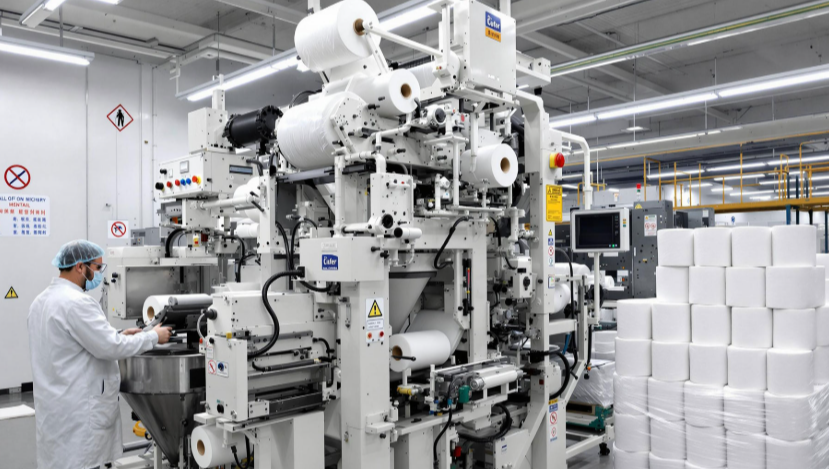
The Benefits of Automated Toilet Paper Packaging for Modern Manufacturers
As the tissue paper industry continues to expand, manufacturers are under increasing pressure to deliver high-quality products quickly and efficiently. While producing soft and durable toilet paper is essential, the packaging process is equally important. Poor packaging can slow production, increase costs, and affect customer satisfaction.
To overcome these challenges, many companies are investing in a modern toilet paper packing machine. Automated packaging systems help businesses improve productivity, reduce waste, and maintain consistent packaging quality from the first package to the last.
Why Efficient Packaging Is Important
Packaging is the final stage before a product reaches distributors, retailers, or consumers. A well-packaged product not only looks professional but also protects the rolls from dust, moisture, and damage during transportation.
When packaging is done manually, production often slows down, especially during large orders. Human error can also lead to uneven wrapping, damaged packages, or incorrect pack sizes.
Automated equipment solves these issues by ensuring every package is prepared with speed and precision.
Increasing Production Efficiency
Manufacturers producing thousands of toilet paper rolls every day need equipment that can keep up with demand. Automated systems are designed to perform continuous packaging without frequent interruptions.
A high-quality toilet paper packing machine can automatically arrange, wrap, seal, and discharge finished products. This reduces production time while maintaining a consistent workflow throughout the manufacturing process.
The result is faster order completion and improved operational efficiency.
Consistent Product Presentation
Consumers often judge a product by its packaging before making a purchase. Clean, properly sealed, and neatly arranged packages create a positive impression and increase confidence in the brand.
Automated packaging systems ensure that every package meets the same quality standards. Consistent packaging also strengthens brand recognition and helps products stand out on store shelves.
Reducing Labor Costs
Manual packaging requires a significant workforce, particularly in factories with high production volumes. Repetitive packaging tasks can also lead to worker fatigue, reducing productivity over time.
Automation allows manufacturers to reduce dependence on manual labor while assigning employees to more valuable responsibilities such as quality inspection, equipment supervision, and inventory management.
This leads to better resource utilization and lower operating costs.
Flexible Packaging Options
Today’s tissue manufacturers serve different types of customers, including supermarkets, wholesalers, hotels, hospitals, and commercial distributors. Each customer may require different packaging formats.
Modern packaging equipment can handle a variety of configurations, such as:
- Individual rolls
- Twin packs
- Four-roll and six-roll packs
- Large family packs
- Commercial bulk packaging
This flexibility allows manufacturers to respond quickly to changing customer demands without major production adjustments.
Better Product Protection
During transportation and storage, tissue products can easily be damaged if packaging is weak or inconsistent. Proper sealing helps protect products from contamination while maintaining their quality until they reach the customer.
Reliable packaging also reduces losses caused by damaged goods and improves customer satisfaction.
Supporting Long-Term Business Growth
As businesses expand into new markets, production capacity and packaging quality become even more important. Investing in automation helps manufacturers meet larger orders while maintaining the same level of quality.
Companies using advanced packaging technology are often better positioned to compete in both local and international markets.
Conclusion
Efficient packaging is an essential part of successful tissue manufacturing. Automated systems improve production speed, reduce labor costs, ensure consistent packaging quality, and protect finished products throughout the supply chain.
For manufacturers looking to increase efficiency and strengthen their operations, investing in a reliable toilet paper packing machine is a practical solution that delivers long-term value and supports sustainable business growth.