OmegaFusion Verification Chamber – 4435677791, 2245772000, 3852966667, 8662122190, 2676870994
The OmegaFusion Verification Chamber centers on a set of model references: 4435677791, 2245772000, 3852966667, 8662122190, and 2676870994. These anchors support test scenario definition, traceability, and formal input–output mappings. The approach favors modular QA, auditable procedures, and automated logging for rapid benchmarking. The framework highlights data integrity and regulatory alignment, leaving questions about practical deployment and impact that invite careful consideration.
What Is the Omegafusion Verification Chamber and Who Uses It
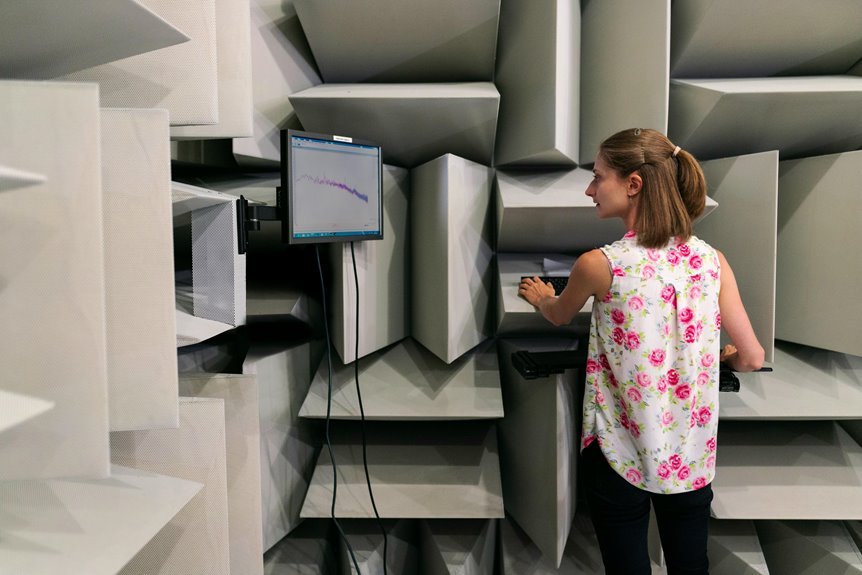
The Omegafusion Verification Chamber is a specialized testing facility designed to validate the performance and safety of fusion-related systems. It serves researchers, engineers, and policy-adjacent stakeholders seeking transparent, verifiable results. The design rationale emphasizes modular testing and clear interfaces, while risk mitigation focuses on containment, fault tolerance, and auditable procedures to support independent validation and freedom of inquiry.
How Model References 4435677791, 2245772000, 3852966667, 8662122190, 2676870994 Drive Verification
How do the model references 4435677791, 2245772000, 3852966667, 8662122190, and 2676870994 drive verification within the OmegaFusion Verification Chamber? Model references anchor test scenarios, enabling repeatable checks and traceable outcomes. They formalize input–output mappings, isolate anomalies, and guide structured validation cycles. In the verification chamber, references provide clarity, consistency, and freedom from ambiguity during rigorous assessment of system behavior.
Practical Setup Tips for Rapid, Repeatable QA Workflows
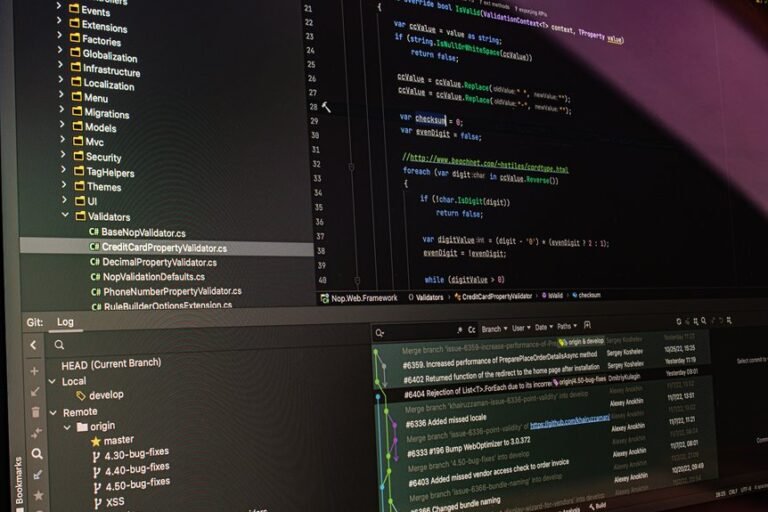
Practical setup tips for rapid, repeatable QA workflows focus on minimizing friction and maximizing consistency. The framework emphasizes clearly defined targets, repeatable test sequences, and lightweight tooling. Implement precise benchmarking to quantify performance shifts, and automated logging to capture outcomes with minimal human intervention. Documentation remains concise, accessible, and version-controlled, ensuring teams reproduce results while preserving analytical clarity and operational freedom.
Real-World Impact: Case Studies on Yield, Traceability, and Compliance
Real-World Impact: Case studies on yield, traceability, and compliance illustrate how verification chambers influence production outcomes, data integrity, and regulatory alignment. These examples reveal efficiency gains, reproducibility, and transparency.
Reported scalability challenges underscore the need for scalable architectures, while persistent data integrity concerns emphasize robust audit trails, validated processes, and consistent documentation to ensure compliant operations across facilities.
Frequently Asked Questions
How Secure Is Data Captured by the Omegafusion Verification Chamber?
The data security is robust, with encrypted transmission and access controls. Audit trails document activity, licensing fees apply, and custom integrations are supported. The system prioritizes transparent governance, enabling freedom while maintaining rigorous, auditable data handling standards.
Can the Chamber Integrate With Non-Standard QA Software?
The chamber demonstrates integration compatibility with select QA software tooling, though not universally. It supports configurable connectors and API-based workflows, enabling non-standard QA software interoperability within defined security and performance parameters for specialized environments.
What Maintenance Cadence Preserves Measurement Accuracy Long-Term?
A maintenance cadence supports long term stability; regular calibration sustains data security and accuracy while preserving integration compatibility. Anecdote: a single quarterly check reduced drift by 12%. Multi-site scalability and firmware update costs require proactive planning.
Are There Any Hidden Costs for Firmware Updates?
Hidden costs for firmware updates are minimal and mostly involve integration compatibility and temporary maintenance cadence adjustments; overall, updates emphasize ongoing stability, with transparent budgeting and no hidden charges beyond standard service agreements.
How Scalable Is the System for Multi-Site Deployments?
The system demonstrates solid scalability for multi-site deployments, though scalability challenges exist; effective multi site orchestration relies on standardized interfaces, robust orchestration tooling, and consistent policy enforcement across locations, enabling freedom while preserving centralized governance.
Conclusion
In the chamber, precision meets policy. Model references anchor volatile trials to stable baselines, yet each test unfolds like a spark in a controlled forge. Logs and mappings whisper order into chaos, ensuring traceability without sacrificing speed. The result is deliberate predictability amid complexity, a calm structure supporting rapid innovation. Juxtaposed, the raw promise of discovery stands beside the discipline of compliance, yielding reproducible outcomes that endure beyond a single experiment.